
Endangered Species Program
Protecting Endangered Species in the Park
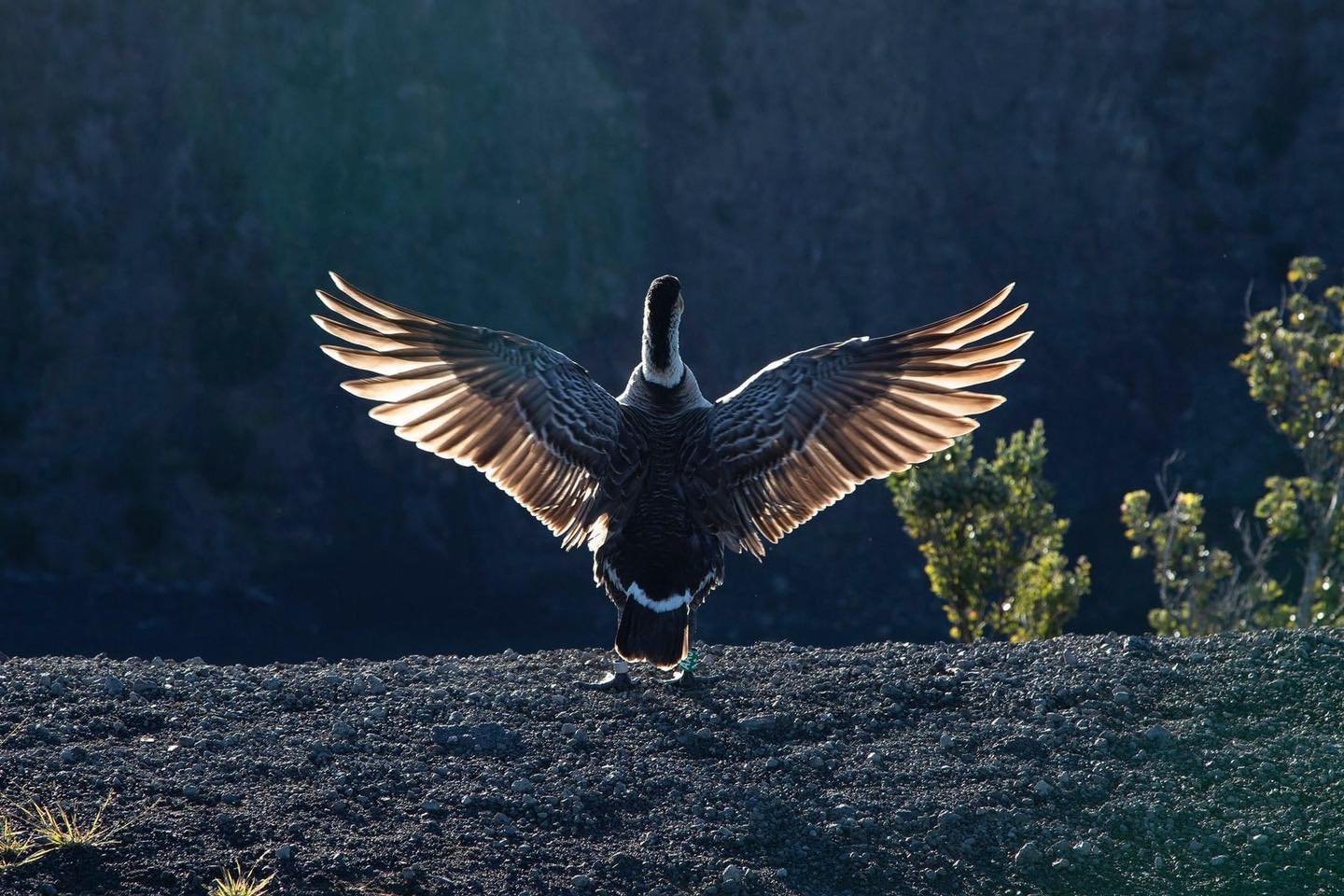
The Friends fund the conservation efforts for endangered species in Hawai‘i Volcanoes National Park such as our Hawksbill Sea Turtle and Nēnē. The Friends’ Guardians Of The Trails staff and volunteers provide critical support for these programs through predator management, habitat restoration and ongoing conservation efforts.
Hawksbill Sea Turtle Recovery
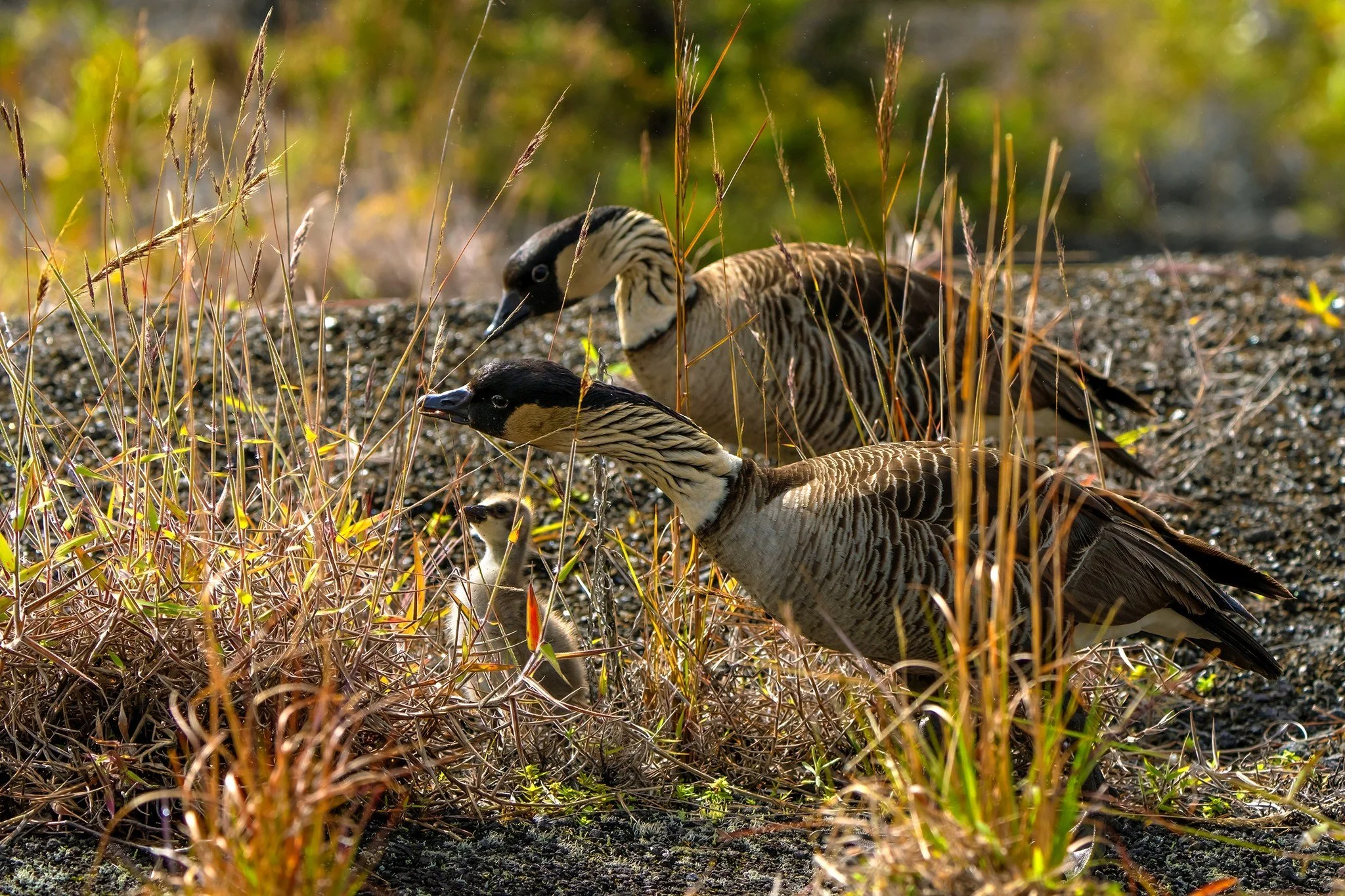
The Hawksbill sea turtle (honu‘ea) is a critically endangered species. In the U.S. Pacific, hawksbill turtles nest only on the beaches of the main Hawaiian Islands, primarily along the southern coast of Hawai’i Island. Without human help, the honu‘ea will likely disappear forever this century. But there is hope. Since 1989, the Hawai‘i Island Hawksbill Turtle Recovery Project has been tirelessly working to help honu‘ea recover. During the annual nesting season, more than 500 volunteers have located and protected 700 nests and helped 80,000 hatchlings reach the sea.
Your support is crucial to these turtles’ survival and funds field monitoring, equipment, and supplies for the protection of nesting sea turtles.
Nēnē (Hawaiian Goose)
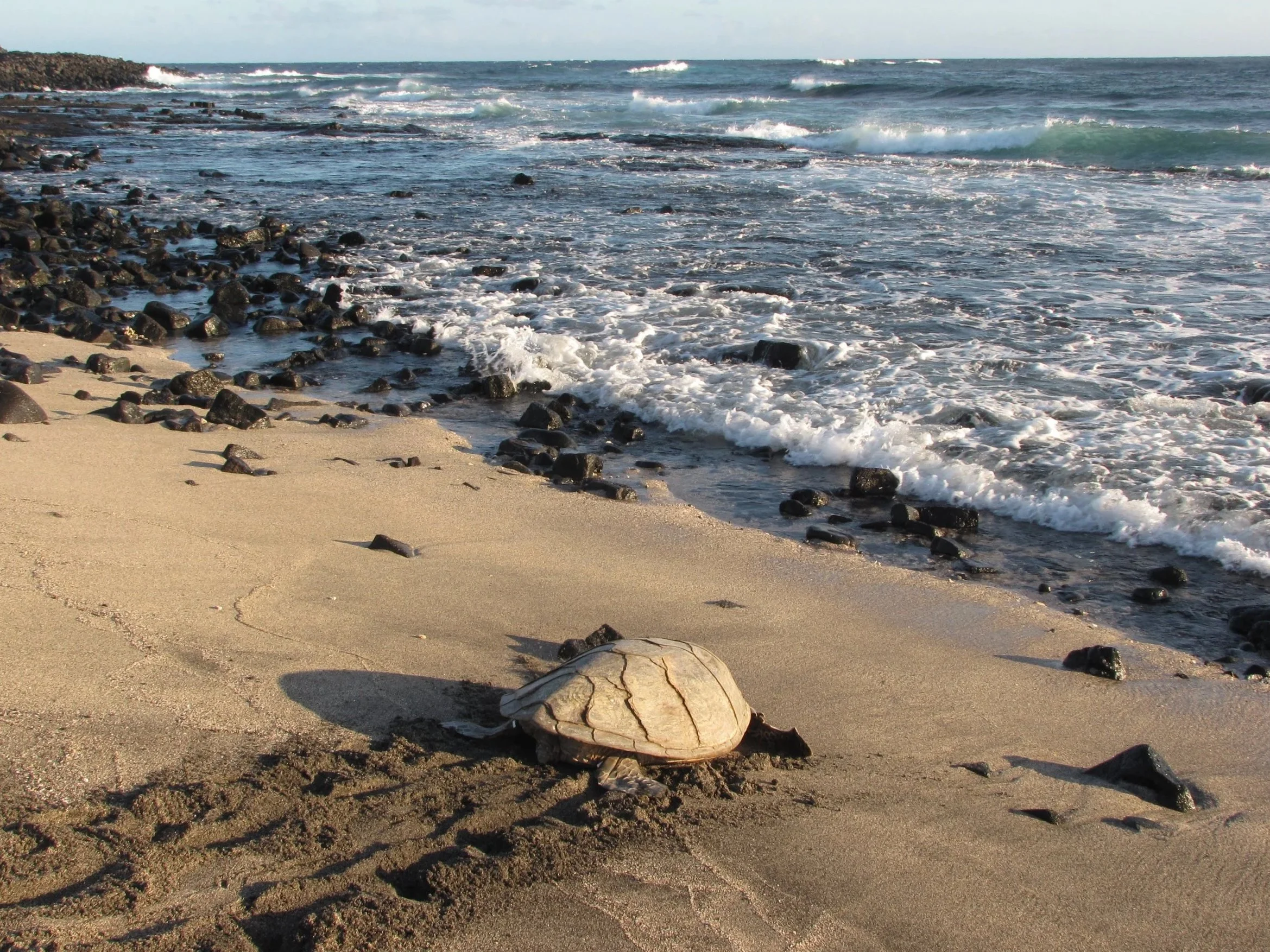
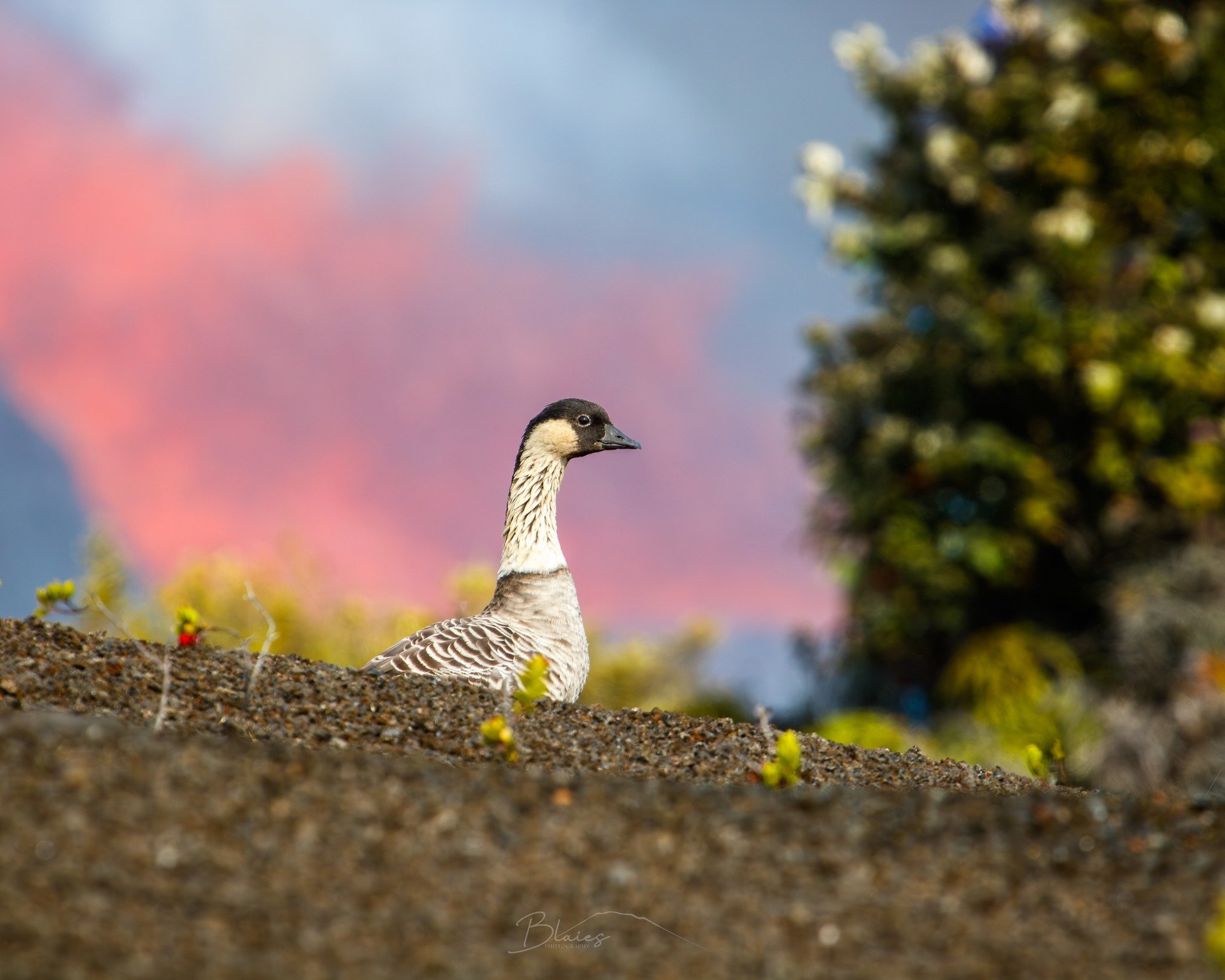
Looking for a rare goose? Look no further than the skies over Hawai‘i Volcanoes National Park. The nēnē, or endangered Hawaiian goose (Branta sandvicensis), is the rarest goose in the world and Hawaii’s state bird. By 1950, nēnē were nearly extinct. A mere 30 birds remained in the wild. In response to the crisis, captive breeding programs were started in Hawai‘i and in England. Since being reintroduced in 1974, the park’s nēnē population has grown from a handful of captive breeding pairs to over 200 wild individuals.
Your support keeps Nēnē flying high and helps to provide feed essential for injured birds in rehabilitation and for goslings without access to good nutrition as well as volunteer stipends during the critical nesting season.
Video Gallery
Hawaiʻi Volcanoes National Park needs your help!
Your contribution directly funds our conservation efforts for endangered species in Hawai‘i Volcanoes National Park such as our Hawksbill Sea Turtle and Nēnē.